
2026
Article
Comparing a Store-less Password Manager with Traditional Password-Only Authentication
IEEE Internet Computing
Digital identity security, made clearer and stronger
I work to make digital identity systems safer, clearer, and easier to use.
I combine cybersecurity research, system analysis, and human-centered thinking to understand how authentication and identity systems fail in real-world use—and how they can be designed to better resist attacks while supporting better security decisions.

Research Evidence
Peer-reviewed work spanning digital identity, authentication, password security, multi-factor authentication, and human-centered cybersecurity.
Article
IEEE Internet Computing
Article
IEEE Transactions on Mobile Computing
Article
ACM Computing Surveys
Areas of Expertise
My work focuses on systems that establish and protect digital identity, especially where strong technical security must also support clear and reliable human decisions.
How identity and authentication systems can resist compromise while remaining practical and understandable in real-world environments.
02The security, usability, and decision-making challenges behind multi-factor and push-based authentication systems.
03Authentication and password-management approaches designed to reduce exposure to phishing, credential theft, and weak or reused secrets.
Knowledge & Research
Research-led articles on digital identity security, authentication, and human-centered cybersecurity.
Authentication is more than checking a password, code, biometric, or passkey. A secure authentication system must be understood across enrollment, sign-in, user decisions, request context, credential changes, recovery, and the sessions it creates.
Read article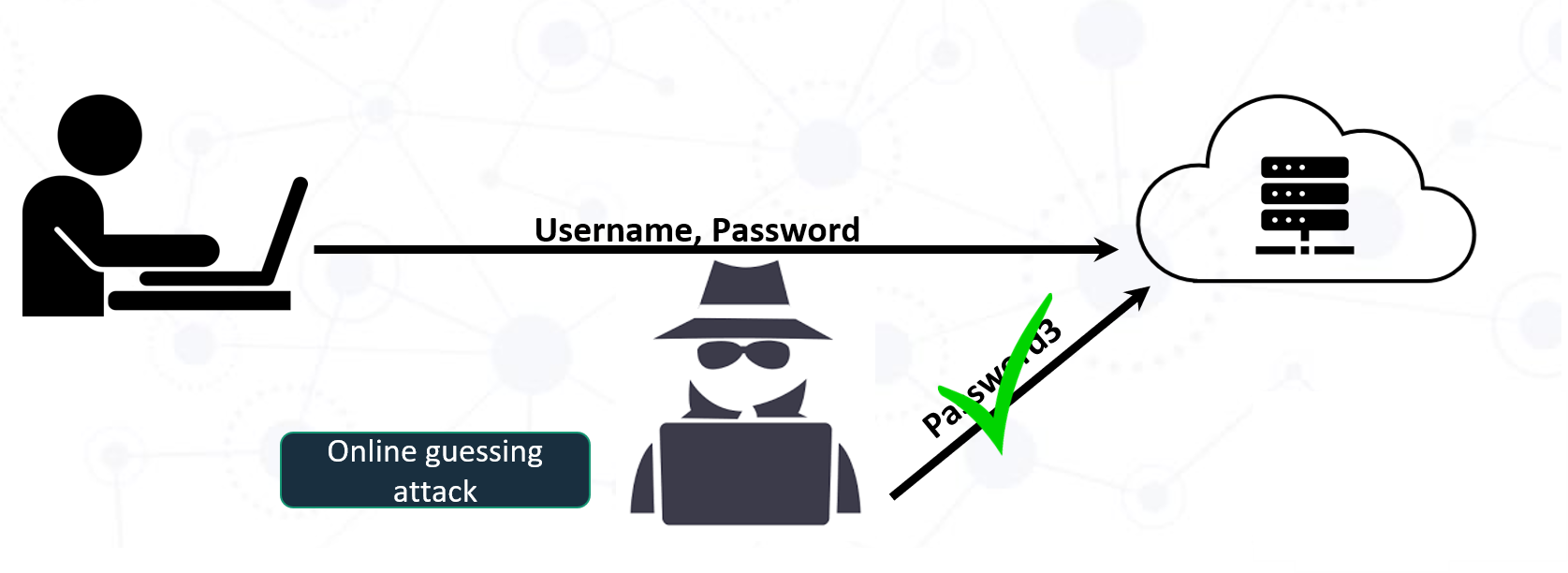
How password authentication works, why guessing, reuse, credential stuffing, and phishing remain dangerous, and how password managers and additional factors reduce—but do not eliminate—those risks.
Read articleProblems I Work On
I am particularly interested in what happens when security mechanisms meet real interfaces, real users, and real attackers.
I study how authentication systems can present enough context for people to distinguish legitimate requests from fraudulent or unexpected ones.
I investigate how security mechanisms can provide strong protection without creating unnecessary friction, confusion, or cognitive burden.
I explore designs that make systems themselves more resistant to phishing and misuse rather than depending entirely on perfect user vigilance.
Latest Updates
Recent research, publications, media coverage, and professional highlights.
Following the IEEE Spectrum feature, HIPPO attracted broader international attention across prominent technology and science outlets, including Popular Science, Hackaday, ACM TechNews, StudyFinds, EurekAlert!, Texas A&M Stories, ITmedia, and others.
Read more →IEEE Spectrum featured our HIPPO research in its Journal Watch coverage, highlighting an approach that generates strong, site-specific passwords when needed without storing the resulting passwords locally or remotely.
Read more →“Hardening Push MFA: A Standards-Based Context Architecture for Number Matching” was published at AINA 2026. The work proposes a context-aware architecture for strengthening number-matching authentication by binding approval decisions to clearer request and relying-party context.
Read more →Our study, “Comparing a Store-less Password Manager with Traditional Password-Only Authentication,” was accepted by IEEE Internet Computing. The study evaluates HIPPO with 25 participants and examines usability, perceived security, trust, login experience, and password-update workflows.
Read more →“The Mobile Paradox: How Interface Friction Can Improve 2FA Security” was published at the 2026 International Conference on Computing, Networking and Communications (ICNC). The study examines how mobile interaction and interface friction can influence security decisions in push-based 2FA.
Read more →What I Bring
My work connects technical security analysis with real-world system behavior, user experience, and the decisions organizations and individuals must make about digital identity.
I examine attacks, authentication mechanisms, interfaces, and user behavior to identify where risk appears and where security can be improved.
I translate technical research and security problems into clear explanations that can support technical teams, decision-makers, students, and wider audiences.
I look at technical protection and usability as parts of the same security system—because security must work when real people use it.
Let's Work Together
I welcome conversations with organizations, technical teams, researchers, and professionals working on digital identity, authentication, phishing-resistant systems, password security, and security usability.
I am also open to research collaborations, expert discussions, invited talks, educational initiatives, and projects that connect cybersecurity research with practical challenges.